British Blues • Guitar God • Fifty Years of Slowhand
How a self-taught guitarist from Surrey became the standard every other blues-rock guitarist gets measured against, through three defining bands, one devastating personal tragedy, and a solo catalog that never stopped chasing the blues.
The Short Version
Who Is He?
Eric Clapton, born in Ripley, Surrey in 1945, is the only three-time inductee into the Rock and Roll Hall of Fame, honored for his work with the Yardbirds, Cream, and as a solo artist. Fans in 1960s London famously graffitied "Clapton is God" on a wall, and while he'd wave that off, the nickname that stuck, Slowhand, points at the same thing: a guitarist whose touch, phrasing, and command of the blues idiom set the bar for everyone who came after.
Two things make him singular. First, the range: he moved from the raw electric blues of the Bluesblueakers through the psychedelic power-trio thunder of Cream, into the intimate, soulful rock of Derek and the Dominos, and finally a decades-long solo career that keeps circling back to the blues records that started it all. Second, the honesty: his best-known songs, "Layla," "Wonderful Tonight," "Tears in Heaven," are directly autobiographical, turned out of real heartbreak and real grief.
He has won 18 Grammy Awards, sold well over 100 million records worldwide, and at nearly 81 still tours and headlines the guitar festival he founded, Crossroads, to benefit addiction recovery.
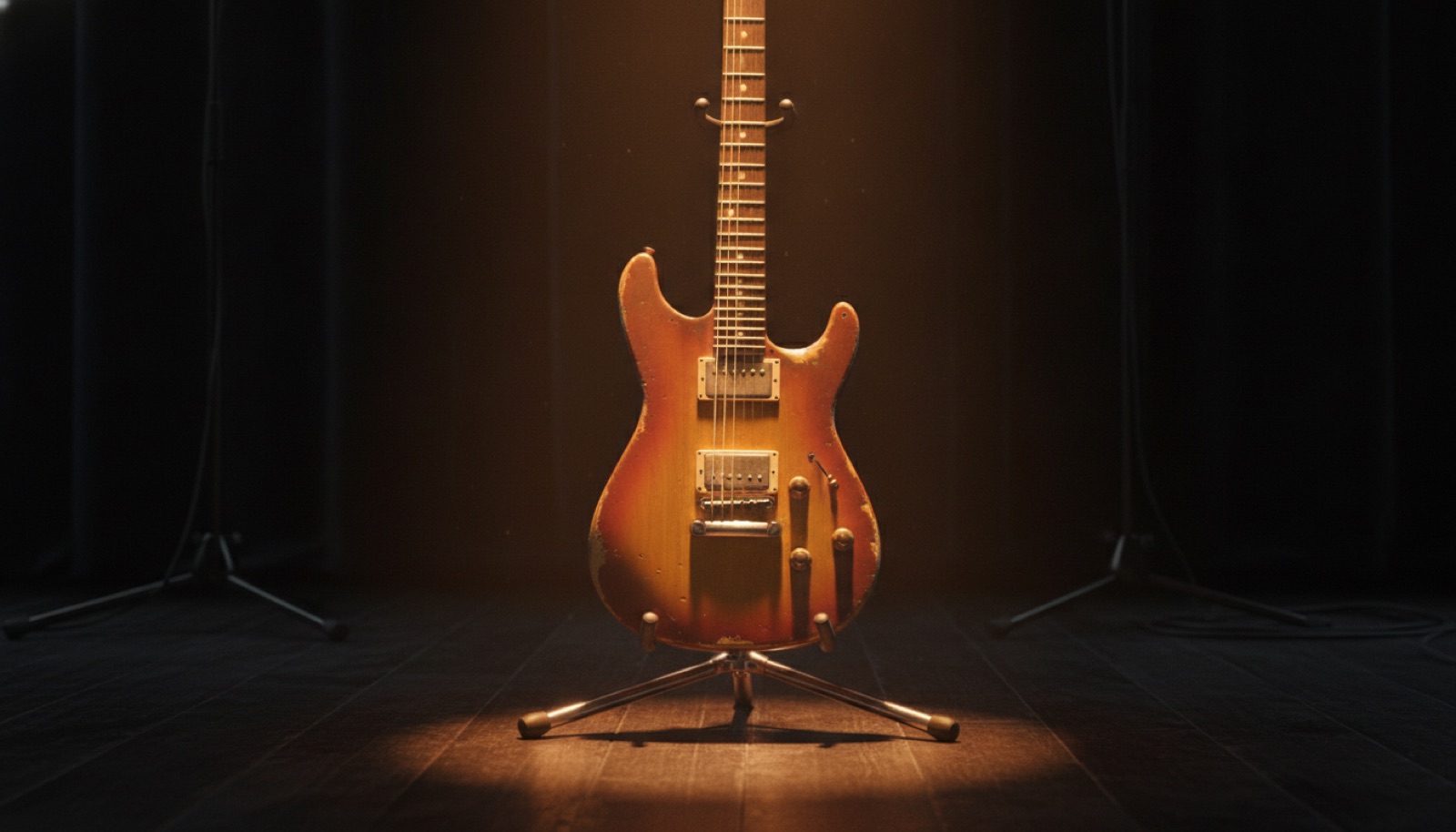
The Stratocaster tone that defined a generation of blues-rock guitar.From Ripley to the Royal Albert Hall
The Story
His career reads like four separate lives stitched together by one guitar, and one relentless devotion to the blues.
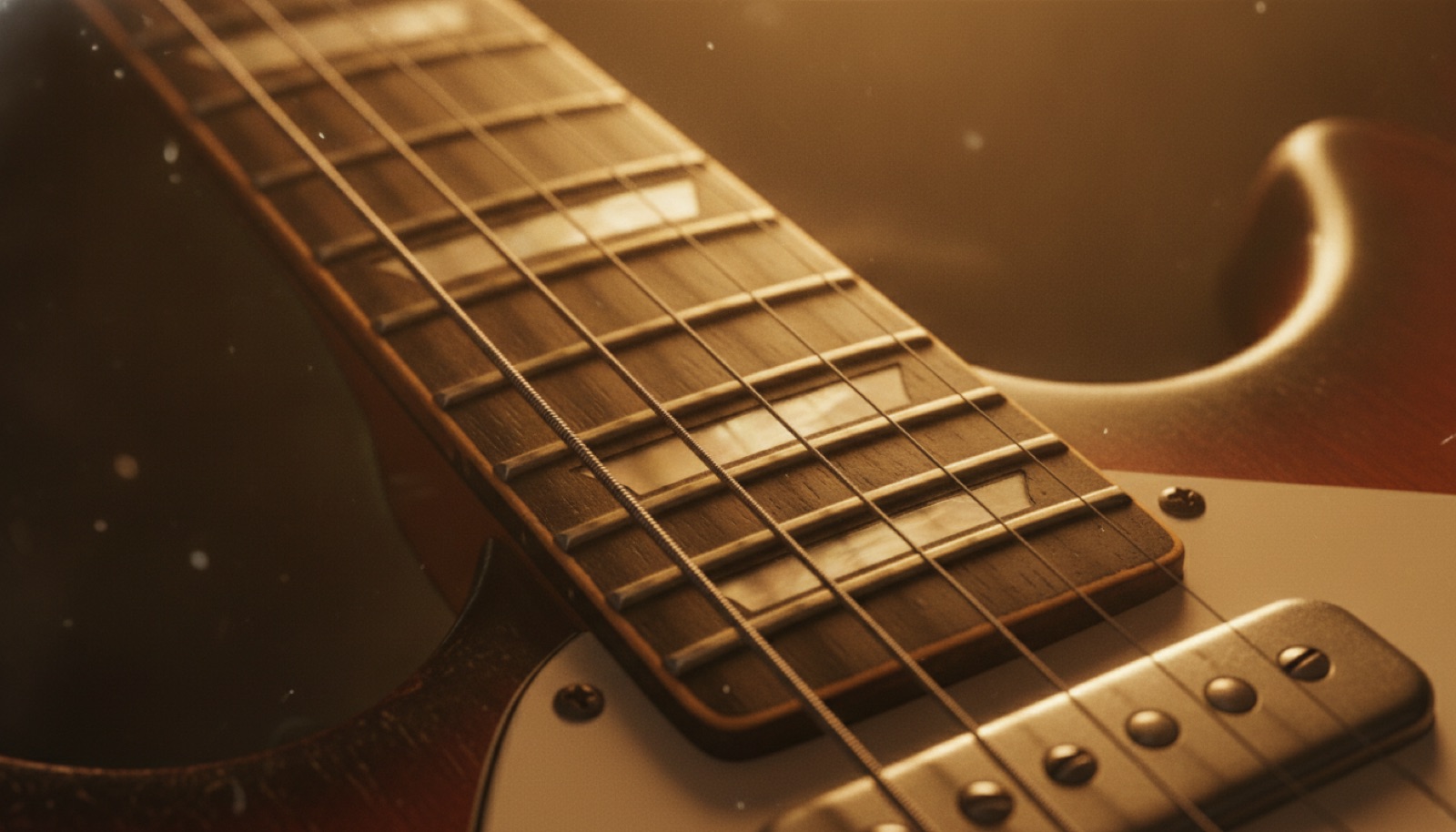
The blues roots he never stopped returning to.
1945
Raised as a "brother," told the truth at nine
Born Eric Patrick Clapton in Ripley, Surrey, to an unmarried teenage mother; he was raised by his grandparents, who he believed were his parents, until he learned the truth as a boy. He taught himself guitar largely by ear, obsessing over American blues 78s.
1963–1965
The Yardbirds and "Clapton is God"
He joined the Yardbirds as lead guitarist, then quit when the band chased pop hits over blues purity. He moved to John Mayall's Bluesbreakers, where his ferocious tone on the 1966 "Beano" album earned London graffiti declaring him a deity.
1966–1968
Cream
With Jack Bruce and Ginger Baker, Cream became the first rock power trio, fusing blues with extended improvisation on albums like Disraeli Gears. They were massive and combustible, and burned out in barely two years amid constant bass-and-drums infighting.
1970
Derek and the Dominos and Layla
Formed with Duane Allman guesting on slide guitar, this short-lived band produced Layla and Other Assorted Love Songs, written largely about his unrequited love for Pattie Boyd, then married to his friend George Harrison. The band dissolved within a year.
1970s
Heroin, recovery, and 461 Ocean Boulevard
A crushing heroin addiction sidelined him for years. He resurfaced with 1974's 461 Ocean Boulevard, a mellower, reggae-tinged sound anchored by his cover of Bob Marley's "I Shot the Sheriff," and married Pattie Boyd in 1979 after years of pursuit.
1977
Slowhand
His commercial and creative peak as a solo artist: "Wonderful Tonight," "Cocaine," and "Lay Down Sally" made it one of the defining rock records of the era, the nickname now inseparable from the man.
1991
Tragedy, and "Tears in Heaven"
His four-year-old son Conor died after falling from a 53rd-floor window in New York. Clapton channeled the grief into "Tears in Heaven," one of the most personal and devastating songs ever to become a radio hit.
1992
Unplugged
His stripped-down MTV Unplugged set, built around "Tears in Heaven" and a reworked acoustic "Layla," became a multi-platinum phenomenon and swept the Grammys, introducing him to an entirely new generation.
1994
From the Cradle
A full-circle blues covers record, straight tributes to Muddy Waters, Freddie King, and Willie Dixon, that hit number one and reminded everyone where his sound started.
1999–present
Crossroads and the elder statesman years
He founded the Crossroads Centre addiction treatment facility in Antigua in 1998 and, from 1999 onward, the Crossroads Guitar Festival to fund it, gathering the greatest guitarists alive. Still touring in his eighties, he headlines the 2026 edition in Austin.
Three Videos, One Education
Start Here
Clapton's catalog spans five decades and four distinct bands, but these three, one studio classic, one raw grief, one pure live guitar, are the fastest way to hear why he matters. Watch in order.
01 · The Song That Started It
"Layla" — 1970
Written for Pattie Boyd, then married to his best friend George Harrison, this is rock's greatest unrequited-love song: a frantic, riff-driven opening giving way to Jim Gordon's aching piano coda. Duane Allman's slide guitar is all over it.
02 · The Grief
"Tears in Heaven" — 1992
Written after the death of his four-year-old son Conor, this is Clapton at his most exposed: no guitar heroics, just a gentle, devastating question about whether he'll know his son's name in heaven. One of the most personal songs ever to become a hit.
03 · The Live Guitar
"Got to Get Better in a Little While" — live at Crossroads, 2013
A Derek and the Dominos deep cut turned into an extended guitar showcase at his own Crossroads Guitar Festival. This is the unhurried, singing lead-guitar style that earned him the nickname Slowhand in the first place.
The Studio Catalog
The Albums 6 to start with
Clapton's essential run spans three different bands and a long solo career. The gold-topped cards are the best entry points; the oxblood-topped card marks the Cream era, before he went solo.
1967
Disraeli Gears — Cream
Psychedelic blues-rock at full volume: "Sunshine of Your Love" and "Strange Brew" show the power-trio format that made Cream the loudest band on earth at the time.
Layla and Other Assorted Love Songs — Derek and the Dominos
The masterpiece, and the obvious starting point. Guest slide guitar from Duane Allman, and a title track built from raw heartbreak that became a rock standard.
The comeback after years lost to heroin: a warmer, laid-back sound with the reggae-tinged "I Shot the Sheriff" giving him his first US number one single.
His commercial and creative peak. "Wonderful Tonight," "Lay Down Sally," and "Cocaine," effortless, warm, radio-ready blues-rock that carries the nickname to this day.
A stripped-down acoustic set built around "Tears in Heaven" and a reinvented acoustic "Layla." Swept the Grammys and remains one of the best-selling live albums ever made.
A full-circle return to his first love: straight covers of Muddy Waters, Freddie King, and Willie Dixon. The clearest look at where his sound came from in the first place.
Unlike most of the guides in this series, Clapton's story isn't a band's story, it's one player's evolution across four different lineups, and the guitars that carried each era.
A Stratocaster in the style of "Blackie," the guitar that defined his solo tone.
He started with the Yardbirds in 1963, a blues-obsessed teenager who quit within two years rather than watch the band chase pop hits. He landed with John Mayall's Bluesbreakers, where the 1966 album fans still call "the Beano album" showcased a heavily overdriven Gibson Les Paul through a cranked Marshall combo, a tone so raw it made his reputation overnight and remains a reference point for blues guitarists to this day.
Then came Cream, the power trio with Jack Bruce and Ginger Baker that let him stretch out with extended, improvisational solos over just bass and drums, no rhythm guitar to hide behind. When Cream imploded under its own volume and ego in 1968, he found something gentler and more soulful in Derek and the Dominos, trading solos with Duane Allman and writing the aching, guitar-driven Layla. From the mid-1970s onward, his solo career settled into a signature built around Fender Stratocasters, especially the battered, much-modified guitar nicknamed "Blackie," assembled from parts of several vintage Strats he bought at a Nashville guitar shop, and its earlier sibling "Brownie," the sunburst Strat heard on 461 Ocean Boulevard and "Layla."
Across every era, the constant has been his phrasing: an unhurried, vocal-like way of bending and sustaining notes that guitarists call the "woman tone," patient where lesser players rush, and it's why the nickname Slowhand has stuck for half a century.
The Roots of the Sound
Influences
Clapton has never hidden his sources. These are the blues players he has covered, cited, and returned to again and again, most directly on From the Cradle.
The Delta Bedrock
Robert Johnson
Clapton has called Johnson "the most important blues musician who ever lived." His covers of "Crossroads" and "Ramblin' on My Mind" trace directly back to these 1930s recordings.
The vibrato and note-bending vocabulary Clapton built his whole style around. The two later recorded a full duo album together, Riding with the King, in 2000.
The stinging, syncopated lead style Clapton has cited constantly, and covered several of King's songs across his solo career, including on From the Cradle.
Two windows into how he talks about the guitar and the life around it, decades apart.
Interview · 1968, Cream Farewell Tour
On the "Woman Tone"
A 23-year-old Clapton, filmed during Cream's farewell tour, breaks down exactly how he built his signature overdriven guitar tone, the pickup selection, the wah-wah, the vibrato technique. Essential viewing for anyone who wants to understand the sound.
A recent, reflective conversation with an octogenarian Clapton about why he keeps touring, how he thinks about retirement, and what still drives him to pick up the guitar after sixty years.
Once the studio records have you, there's decades of live footage, collaborations, and one remarkable philanthropic project to explore.
Fifty years on stage, and still touring.
The documentary — Eric Clapton: Life in 12 Bars (2017), directed by Lili Fini Zanuck, is the definitive account of the addiction, grief, and blues obsession behind the music, told largely in his own words.
Crossroads Guitar Festival — the benefit festival Clapton founded in 1999 to fund the Crossroads Centre addiction treatment facility in Antigua. Every edition gathers an extraordinary lineup of guitarists on one stage.
The collaborations — Riding with the King with B.B. King (2000), and decades of work with George Harrison, J.J. Cale, and Steve Winwood, worth exploring once the solo catalog is familiar.
The Bluesbreakers "Beano" album — technically a John Mayall record, not a Clapton one, but the 1966 tone that started the "Clapton is God" legend is worth hearing on its own.
The Way to Listen
Put on Layla and Other Assorted Love Songs from start to finish, then follow it straight with the Unplugged version of "Layla." Hearing the same song reinvented twenty-two years apart says more about him as a musician than any single record on its own.