Psychedelic Rock • American Roots • The Endless Live Jam
The house band of the counterculture, who turned a rock concert into a communal ritual, gave away their live tapes, and built the most devoted audience in American music, one show at a time.
The Short Version
Who Were They?
The Grateful Dead were an American rock band formed in 1965 in the San Francisco Bay Area, built around guitarist and figurehead Jerry Garcia. Over thirty years they fused rock, folk, country, blues, bluegrass, jazz, and psychedelia into something that had no real name and no real limits. On record they could be tender and precise; on stage they were an improvising machine that treated every song as an open door.
Two things make them singular. First, the live show: no two setlists repeated, songs melted into long collective improvisations, and the band chased the music wherever it went rather than playing the hits. Second, the taper culture: they set aside a section for fans to record every concert and encouraged those tapes to be traded freely. That openness built a self-organizing community, the Deadheads, who followed the band from town to town and kept the music alive long after the amps went cold.
They are the direct ancestors of the whole jam-band world, the reason a Billy Strings or a Railroad Earth crowd tapes the show and argues about setlists. When Jerry Garcia died in 1995, the band retired the name, but the songs, the tapes, and the culture never stopped traveling. This is a long, strange trip well worth taking.
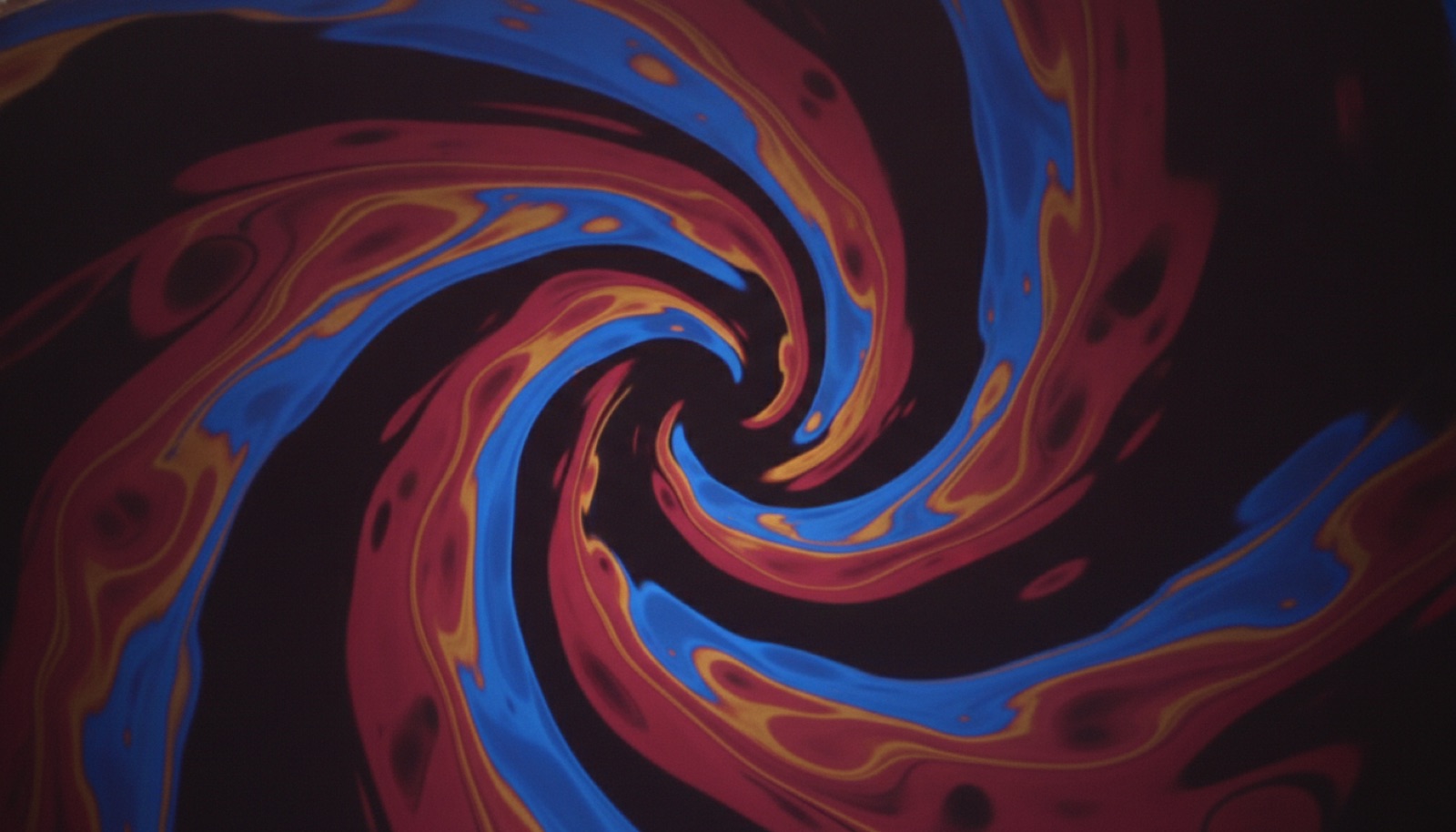
The liquid light-show world they were born into.From the Acid Tests to the Long Goodbye
The Story
Their history is inseparable from the culture they helped invent. It runs from a Palo Alto jug band through the psychedelic sixties, into the roots-music seventies, an accidental pop hit, and a long series of goodbyes.
1965
The Warlocks become the Grateful Dead
Jerry Garcia, Bob Weir, Phil Lesh, Bill Kreutzmann, and Ron "Pigpen" McKernan grew out of the Palo Alto folk and jug-band scene, briefly calling themselves the Warlocks. They became the house band for Ken Kesey's Acid Tests, learning to play long and loose while the room came apart around them, and renamed themselves the Grateful Dead.
1967
Haight-Ashbury and the debut LP
Living communally at 710 Ashbury Street in the eye of the Summer of Love, they released their self-titled debut and played the Monterey Pop Festival. Drummer Mickey Hart joined that year, giving the band its two-drummer engine alongside Kreutzmann.
1969
Live/Dead captures the beast
After two studio experiments, Live/Dead finally bottled what the band actually was: the side-long "Dark Star" showed the world a rock group improvising like a jazz ensemble. It remains one of the great live albums ever made.
1970
The roots turn: Workingman's Dead & American Beauty
In a single miraculous year they pivoted to warm, close-harmony Americana. Workingman's Dead and American Beauty gave them their enduring songbook, "Uncle John's Band," "Ripple," "Truckin'," "Box of Rain," "Friend of the Devil," written largely with lyricist Robert Hunter.
1973
Pigpen is gone, and the band builds its own world
Founding member Ron "Pigpen" McKernan, the band's blues heart and frontman in the early years, died in March 1973 at 27 from complications of alcoholism. The band pressed on, launched their own Grateful Dead Records, and released Wake of the Flood.
1977
The peak years
Widely regarded as their finest live era. The May 1977 tour, above all the Cornell University show on 5/8/77, is treasured by tape traders as a high-water mark. Terrapin Station arrived the same year.
1980
Loss of Keith Godchaux
Keith Godchaux, who played keyboards with the band through most of the seventies alongside singer Donna Jean Godchaux, died in a car accident in July 1980, a year after leaving the group.
1987
An accidental pop star
In the Dark and its single "Touch of Grey" gave the Dead their only Top 10 hit and a first MTV video. A wave of new fans, the "Touch Heads," swelled the crowds and turned the touring circus into a genuine phenomenon.
1990
Brent Mydland
Keyboardist Brent Mydland, the band's soulful voice for eleven years, died of a drug overdose in July 1990. Vince Welnick took the keyboard chair, with Bruce Hornsby sitting in on piano through the early nineties.
1995
Jerry Garcia and the end of the road
Jerry Garcia died on August 9, 1995, at 53, after years of failing health. Without their center of gravity, the surviving members retired the name Grateful Dead that December. Thirty years of continuous touring were over.
2015 – today
Fare Thee Well, and the music rolls on
The core four reunited for the "Fare Thee Well" 50th-anniversary concerts in 2015. That same year they launched Dead & Company with John Mayer, whose long run, including a landmark residency at the Las Vegas Sphere, has carried the songbook to a new generation. The catalog is more alive now than ever.
Four Videos, One Doorway
Start Here
You do not really "get" the Dead from a greatest-hits shuffle, you get them from a performance. Start with these four. The first two are the songs; the last two are the reason people spent their twenties in parking lots. Watch in order.
01 · The Gentle Heart
"Ripple" — from American Beauty
The best possible first three minutes. A Garcia/Hunter hymn about finding your own path, sung in easy harmony over acoustic guitar and mandolin. If this doesn't land, the rest may not be for you, but for most people it lands hard.
02 · The Unlikely Hit
"Touch of Grey" — the 1987 breakthrough
Their only Top 10 single, and a perfect on-ramp: a bright, hooky song with a stubbornly hopeful chorus, "I will get by / I will survive." The skeleton-band video is pure late-eighties MTV, and it introduced the Dead to millions overnight.
03 · The Live Communion
"Uncle John's Band" — live, Shoreline 1991
The studio song is lovely; the live version is a congregation. Watch the crowd sing every word back. This is the thing the records can only hint at, thousands of people treating a rock show as a shared ritual.
04 · The Deep End
"Scarlet Begonias" > "Fire on the Mountain" — Winterland, New Year's '78
Now the real thing: two songs fused into one long, patient groove that keeps opening up. This is why people chased the tour. Don't wait for a chorus, sink into the flow and let the band take you somewhere.
The Map of the Catalog
The Albums 11 to start with
A crucial thing to understand: with the Dead, the studio albums are the songbook, but the live recordings are the real body of work. Start with the gold-topped studio classics, then let the rose-topped live records show you what all the fuss is about.
1967
The Grateful Dead
The garage-psych debut, cut fast and a little wild. Not the place to start, but a fun snapshot of the Haight-Ashbury band before the songwriting arrived.
Their studio-as-instrument experiment, splicing live and studio takes into a single psychedelic collage. Adventurous and strange, the sound of a band refusing to make a normal record.
The great turn to roots and harmony. "Uncle John's Band," "Casey Jones," "Cumberland Blues," a warm, concise masterpiece and one of the two best starting points.
The other pillar, and probably the single best place to begin. "Box of Rain," "Friend of the Devil," "Ripple," "Truckin'," a flawless run of songs. If you buy one, buy this.
The definitive live document of the classic lineup, a triple album of the legendary European tour. "Ramble On Rose," "He's Gone," "Morning Dew," essential.
Beyond the studio albums lies an ocean of official live releases, the numbered Dick's Picks and Dave's Picks series, plus one-off legends like the 1977 Cornell show. Don't try to grab them all at once. Find one great show, live with it, and let the rabbit hole find you.
Where to Drop the Needle
The Playlists
Two YouTube Music playlists: a First Listen built from the studio songbook to get you oriented, and a Deep Cuts set that leans into the long, exploratory second-set territory where the Dead really lived. Hit the button on either card to play it.
The Dead were a true collective, no frontman in the pop sense, just six-or-so musicians listening hard to each other. The lineup shifted most at the keyboard chair, a seat that carried more than its share of tragedy.
Jerry GarciaLead Guitar / VoxThe gravitational center: singer, songwriter, and one of rock's most lyrical improvisers. Died 1995.
Bob WeirRhythm Guitar / VoxThe other voice and the band's rhythmic anchor, still carrying the songs forward today.
Phil LeshBassA classically trained composer who reinvented the bass as a lead, melodic instrument. Died 2024.
Bill KreutzmannDrumsFounding drummer and, with Mickey Hart, half of the twin-drummer "Rhythm Devils."
Mickey HartDrums / PercussionJoined 1967; his rhythm explorations gave every show its famous "Drums / Space" segment.
Ron "Pigpen" McKernanKeys / Harp / VoxFounding member and early frontman, the band's blues-and-organ soul. Died 1973.
Keith & Donna GodchauxKeys / VoxThe seventies keyboardist and singer. Keith died in 1980, a year after leaving the band.
Brent MydlandKeys / VoxThe eighties heart of the band for eleven years, a soulful writer and singer. Died 1990.
Vince WelnickKeys / VoxHeld the keyboard chair for the final years, 1990 to 1995, with Bruce Hornsby often sitting in.
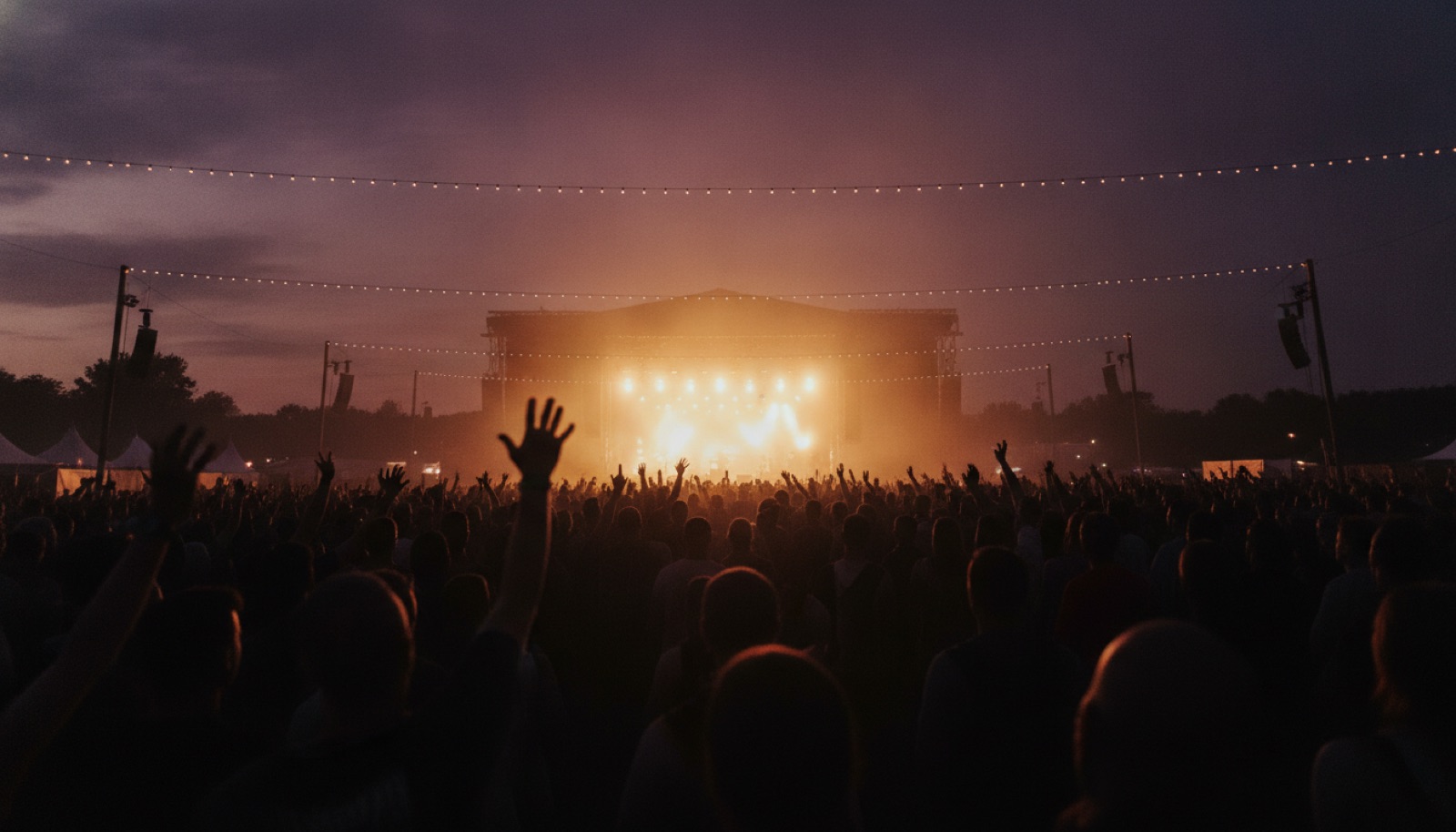
The other half of the band: the crowd.Where the Sound Came From
Influences
The Dead were omnivores, pulling folk, blues, bluegrass, jazz, and rock and roll into one endless jam. To hear how, spend time with the music they grew out of.
Rock and Roll
Chuck Berry
The roadhouse rock and roll in their bones; they covered him all their lives.
Jerry Garcia was one of rock's great talkers, funny, humble, and quietly philosophical. Two interviews that get at what the band was really about.
Interview · Letterman
Why They Let Fans Record
Jerry Garcia and Bob Weir explain to David Letterman why they let anyone tape their shows, the radical openness that built the taper culture and the whole Deadhead world.
A candid, wide-ranging conversation filmed in April 1995, just months before Jerry Garcia's death, reflecting on the band's long strange trip and what it all meant.
The Dead built the template every jam band now follows: record everything, share freely, and let the fans become the archive. Once you're hooked, the ecosystem is bottomless, and most of it is free.
"What a long, strange trip it's been."
Archive.org (the Grateful Dead collection) — thousands of audience and soundboard tapes, spanning the entire touring history, free to stream. This is the mother lode.
Relisten — a clean phone and web app that plays those Archive.org tapes by date, the easiest way to "go see a show" from any year.
Dead & Company — the ongoing continuation with John Mayer, whose Las Vegas Sphere residency has become a phenomenon of its own. The best way to hear these songs live today.
Pick a legendary date — start with Cornell 5/8/77, then chase your own favorites. Deadheads argue about the best show forever, and that argument is half the fun.
A Note on the Tapes
The Dead's decision to let fans record and trade shows, radical for its time, is why so much of their music is freely available today. When you dig into Archive.org, you're hearing the direct result of a band that trusted its audience with its own work.
How to Listen
Don't approach a Dead show like a pop album waiting for hooks. Put on a full set, let a jam unspool without checking how long it is, and listen for the moment the whole band locks in and lifts off. That moment is the entire point, and once you feel it, you'll understand the Deadheads.